Source Free Gmo Acerola Extract for Health, Food, and Cosmetics
Compare 30 verified suppliers offering free gmo acerola extract for health care products, food ingredients, and cosmetics. View specifications, certifications, and pricing to find the right natural cherry-derived vitamin C source for your manufacturing needs; compare the available evidence and request quotations based on your requirements.
Key considerations
Products List








Comprehensive Sourcing Guide
Free GMO Acerola Extract Sourcing Guide
Procuring non-GMO acerola extract requires a disciplined approach to verifying both the botanical source and the processing integrity of the final powder. Buyers must prioritize suppliers who can demonstrate that the Malpighia glabra fruit is cultivated without genetic modification, as this is a critical requirement for many health and cosmetic formulations. The term "free GMO" is not a standalone certification but a claim that must be substantiated through supply chain documentation. Therefore, the initial step involves requesting detailed origin certificates and agricultural practices reports to ensure the raw material meets organic or non-GMO standards.
The market for this specific extract is characterized by a focus on high-potency Vitamin C content, often derived from natural sources rather than synthetic alternatives. Listings typically highlight the fruit's natural resource status and its suitability for food, health care, and cosmetic applications. Buyers should note that while the extract is generally available in powder form, the specific concentration of active substances varies significantly between suppliers. It is essential to distinguish between whole fruit powder and standardized extracts, as the latter offers a more consistent dosage of Vitamin C. This distinction impacts both the cost per unit of active ingredient and the regulatory compliance pathway for the final product.
Product Scope and Observed Listing Signals
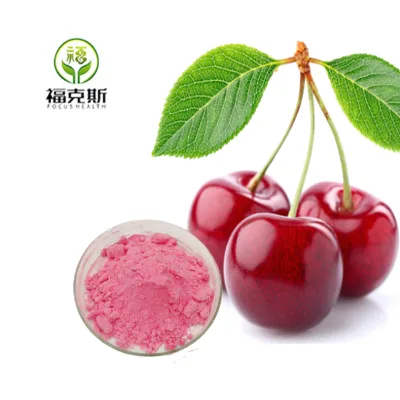
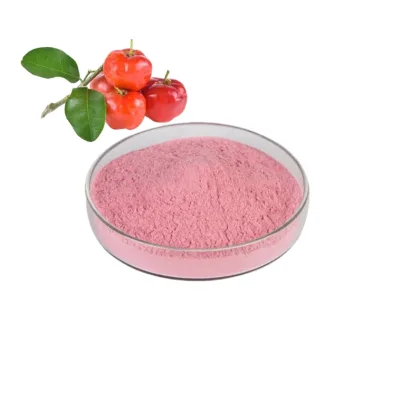
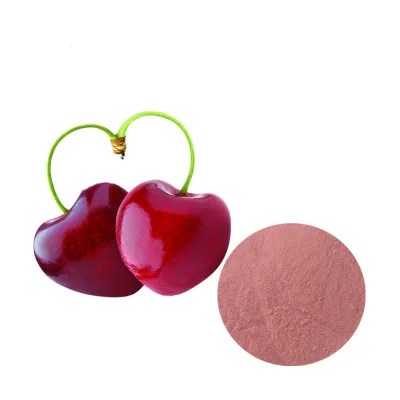
When evaluating listings for free GMO acerola extract, buyers should focus on the stated extract source and the specific model number provided by the supplier. Most observed listings identify the source as cherry, specifically Malpighia glabra, which is the primary botanical source for high-Vitamin C content. The product is typically presented as a light pink fine powder, indicating a natural extraction process that preserves the fruit's inherent color and compounds. Understanding the physical state is crucial for downstream processing, as the powder form is suitable for capsules, tablets, and direct food incorporation. Buyers must verify that the "cherry" designation refers to the acerola cherry and not other fruit varieties with lower nutritional profiles.
Packaging and minimum order quantities (MOQ) are significant signals of the supplier's operational scale and target market. Observed data shows a wide range of MOQs, from 1 kg to 25 kg, which allows flexibility for both small-scale testing and bulk production. Packaging options often include 1 kg aluminum foil bags and 25 kg fiber drums, designed to protect the sensitive Vitamin C content from light and moisture. The presence of multiple packaging formats suggests that suppliers cater to diverse client needs, from R&D labs to large manufacturing facilities. Buyers should align their procurement volume with the available packaging to minimize waste and ensure optimal storage conditions for the active ingredient.
Technical Specifications to Verify
The primary technical specification to verify is the assay of Vitamin C, often referred to as Vc, which is the main active ingredient in acerola extract. Suppliers may use different analytical methods, such as HPLC or UV, to determine the concentration of active substances. It is critical to request a Certificate of Analysis (CoA) that specifies the exact assay percentage and the method used for testing. For instance, some products are standardized to contain over 90% active substances, while others may offer a lower concentration. Buyers must ensure that the assay method aligns with their quality standards and regulatory requirements, as different methods can yield slightly different results for the same sample.
Beyond the Vitamin C content, buyers should verify the extraction type and the part of the plant used. Solvent extraction is a common method for producing high-potency extracts, and the use of the fruit part ensures that the extract contains the full spectrum of natural compounds found in acerola. The appearance of the powder, described as light pink and fine, serves as a visual indicator of quality and purity. Any deviation from this description, such as discoloration or clumping, may indicate improper storage or processing. Additionally, the shelf life is typically observed to be greater than 12 months, with some suppliers claiming up to 24 months when stored in a cool, dry place.
Compliance and Safety Documentation
Compliance documentation is a cornerstone of sourcing free GMO acerola extract, particularly for use in food and health care products. Suppliers should provide evidence of certifications such as HACCP, FDA, ISO, BRC, and RoHS, which attest to the safety and quality of the manufacturing process. These certifications ensure that the extract is produced in a controlled environment that minimizes the risk of contamination and ensures consistency. Buyers should verify that the certifications are current and issued by recognized accreditation bodies. The presence of multiple certifications often indicates a robust quality management system and a commitment to international standards.
In addition to general safety certifications, buyers should look for specific certifications related to the non-GMO status and organic practices. Certifications such as Halal, Kosher, and Organic are frequently observed in the market and are essential for meeting the dietary and ethical requirements of specific consumer segments. The non-GMO claim must be supported by third-party testing or certification to be credible. Buyers should request documentation that explicitly states the absence of genetically modified organisms in the raw material and the final product. This documentation is crucial for avoiding regulatory issues and maintaining consumer trust in the final product.
Cost Drivers and Commercial Terms
The cost of free GMO acerola extract is influenced by several factors, including the concentration of Vitamin C, the volume of the order, and the packaging format. Higher assay percentages typically command a premium price, as they require more raw material and more precise processing to achieve the desired potency. Buyers should compare the cost per unit of active ingredient rather than the price per kilogram to make an accurate assessment. The observed price range in USD is broad, reflecting the variability in product specifications and supplier margins. Negotiating terms based on the specific assay and packaging can help optimize the total cost of ownership.
Commercial terms, including payment methods and shipping options, also play a significant role in the overall cost. Suppliers often offer flexible payment terms, such as T/T or L/C, to accommodate different buyer preferences. Shipping methods, including DHL, FedEx, and sea freight, vary in cost and lead time, with air freight being faster but more expensive. Buyers should consider the total landed cost, which includes shipping, insurance, and any applicable duties or taxes. Establishing a long-term relationship with a supplier can lead to better pricing and more favorable commercial terms, especially for bulk orders.
Supplier Qualification and Quality Control
Qualifying a supplier for free GMO acerola extract involves a thorough assessment of their manufacturing capabilities and quality control systems. Buyers should request a factory audit report or conduct an on-site inspection to verify the supplier's production processes and hygiene standards. The supplier's ability to maintain consistent quality across batches is a key indicator of their reliability. This can be assessed by reviewing historical CoAs and customer feedback. A supplier with a strong track record of quality and compliance is more likely to meet the buyer's requirements and minimize the risk of supply disruptions.
Quality control measures, such as in-process testing and final product inspection, are essential for ensuring the consistency and safety of the extract. Suppliers should have a documented quality management system that covers all aspects of production, from raw material intake to final packaging. Buyers should verify that the supplier uses validated analytical methods for testing and that their laboratory is accredited. The availability of free samples, often ranging from 5 to 20 grams, allows buyers to evaluate the product's quality before placing a large order. This step is crucial for confirming that the product meets the specified technical and compliance requirements.
Long-Term Procurement Checks
Establishing a long-term procurement relationship with a supplier of free GMO acerola extract requires ongoing monitoring and communication. Buyers should regularly review the supplier's performance metrics, including on-time delivery, quality consistency, and responsiveness to issues. A supplier who proactively communicates changes in production or supply chain disruptions is more likely to be a reliable partner. Buyers should also monitor market trends and regulatory changes that may impact the availability or cost of the extract. Staying informed about these factors helps in making strategic procurement decisions and maintaining a competitive advantage.
Sustainability and ethical sourcing are increasingly important considerations in long-term procurement. Buyers should verify that the supplier adheres to sustainable agricultural practices and ethical labor standards. This includes ensuring that the acerola fruit is sourced from responsibly managed farms and that the extraction process minimizes environmental impact. Certifications such as Organic and Fair Trade can provide evidence of these practices. By prioritizing suppliers who align with these values, buyers can enhance their brand reputation and meet the growing demand for sustainable and ethically sourced products in the health and wellness industry.
FAQs
What is the active content of acerola extract?
The content of active substances is greater than 90%. This high concentration ensures potent efficacy in health care products, food, and cosmetics. The main ingredient is Vitamin C, derived from acerola cherry fruit. It appears as a light pink fine powder. This quality supports its use in various dietary supplements and functional ingredients.
Can I get free samples of acerola extract?
Yes, samples are freely offered to potential buyers. You can request 5-20 grams for free to test quality before placing a larger order. This allows you to verify the light pink fine powder appearance and purity. It is a standard practice to ensure product suitability for your specific application needs in health or food sectors.
What certifications does the acerola extract have?
The product holds HACCP, FDA, ISO, BRC, and RoHS certifications. Additional certificates include ISO9001, Halal, Kosher, Organic, and ISO22000. These credentials verify compliance with international food and safety standards. They ensure the product is suitable for global distribution in health care, food, and cosmetic applications, meeting rigorous regulatory requirements.
How should acerola extract be stored?
Store the powder in a cool, dry place under normal storage methods. Proper storage maintains the product's stability and extends its shelf life to 24 months. Avoid exposure to moisture and direct sunlight to preserve the Vitamin C content. This ensures the light pink fine powder remains effective for use in capsules, tablets, or food formulations.
What packaging options are available for acerola extract?
Packaging includes 25kg fiber drums, 1kg aluminum foil bags, and plastic containers. Options also feature 25kg foil bags or 50kg per drum. Vacuum packing is available for enhanced protection. These methods ensure product integrity during shipping. The packaging supports bulk industrial use while maintaining hygiene and preventing contamination for health and food applications.
What is the minimum order quantity for acerola extract?
The minimum order quantity is 1 kg for sample testing or small trials. For bulk commercial orders, the MOQ is typically 25 kg. This flexibility allows buyers to start with small quantities to verify quality. Larger drums are available for consistent supply needs in manufacturing health care products, food, or cosmetics with high Vitamin C content.